
GPT Image 2Posters & Visuals
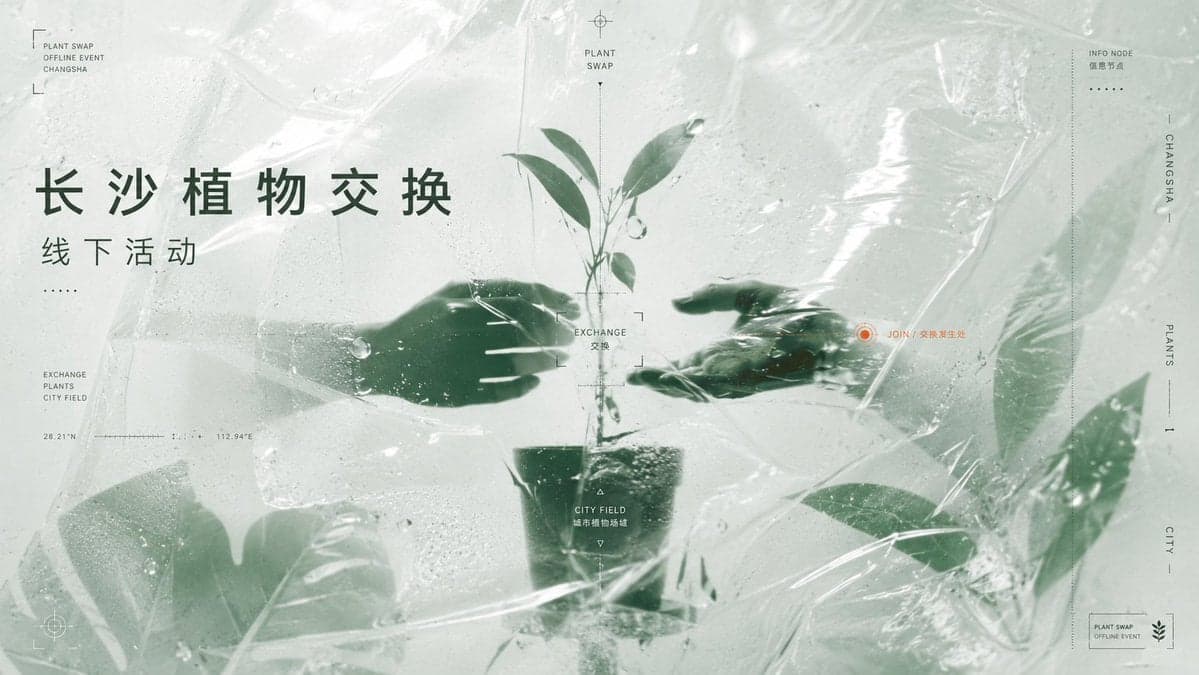
Generate a horizontal visual work (16:9) centered on the theme of "Changsha Plant Exchan…
GPT Image 2 prompt and image example

@xiaoxiaodong01
View source post ↗👁 5,259♥ 83★ quality 92
PROMPTTranslation
Generate a horizontal visual work (16:9) centered on the theme of "Changsha Plant Exchange Offline Event". The core subject should first be compressed into dark skeletons, negative space voids, and localized recognition edges, then emerge from within a large-scale thematic field. The subject does not stand completely in front of the background; instead, it appears wrapped, obscured, and refracted by a transparent medium, leaving only essential mass, direction, and edges.
The composition establishes a high-key, low-noise primary field that functions as a space for memory and informational breathing. This field must cut directly across the subject's edges, causing the contours to appear slightly intermittent, bent, floating, and engulfed. The main visual unfolds along a strong axis, with the densest recognition core formed in the center, while the lower part or edges are cropped by the frame to retain a sense of extension beyond the image. Subject details are reduced to a few fragments, contour directions, structural voids, and dark mass blocks, allowing the theme to be defined by the selection of edges.
The background is not a decorative texture, but a visible medium layer derived from the subject itself, featuring field disturbances of varying scales, transparent overlays, surface refractions, and low-noise traces. These disturbances should cross over the subject, text, and negative space, making the entire image appear as if viewed through a moist, transparent surface.
Maintain a color ratio of large-area high-key primary colors, a small amount of low-key structural colors, transparent light highlights, and minimal high-energy annotations. Changes in the subject only alter color temperature, lightness tendencies, and semantic sources, without changing the hierarchy of large fields, heavy structures, small annotations, and light transitions. Dark structures bear the weight of the subject, fine lines, and labels, while light-colored highlights remain only on medium arcs, edge transitions, and surface reflections, without competing with the subject for hierarchy.
Necessary text should use restrained, technical sans-serif fonts; clear, small-scale, wide-kerning glyphs that resemble coordinates, years, indices, boundaries, or labels close to the information axis. The text is on the same layer as the image, slightly suppressed by the field to create a sense of horizontal measurement and understated explanation.
Place a high-energy color trajectory or circle in only one key small information node, making it a precise memory point within the calm image. The area must be strictly controlled, functioning as a mark rather than a decoration. The overall finish should resemble a flat print viewed through a moist, transparent surface, retaining slight scanning grain, fine creases, bluish-white highlights, and dark edges softened by the medium. The image should be clear, restrained, moist, and graphical, constructed with a strong axis, low-detail subject, field engulfment, micro-information, and single-point annotation, ensuring that the theme is pressed into a unified field logic.
Turn this look into your image
#poster#visual#graphic-design
Related prompts
✨ View prompt♥ 1108
✨ View prompt♥ 1020
✨ View prompt♥ 268
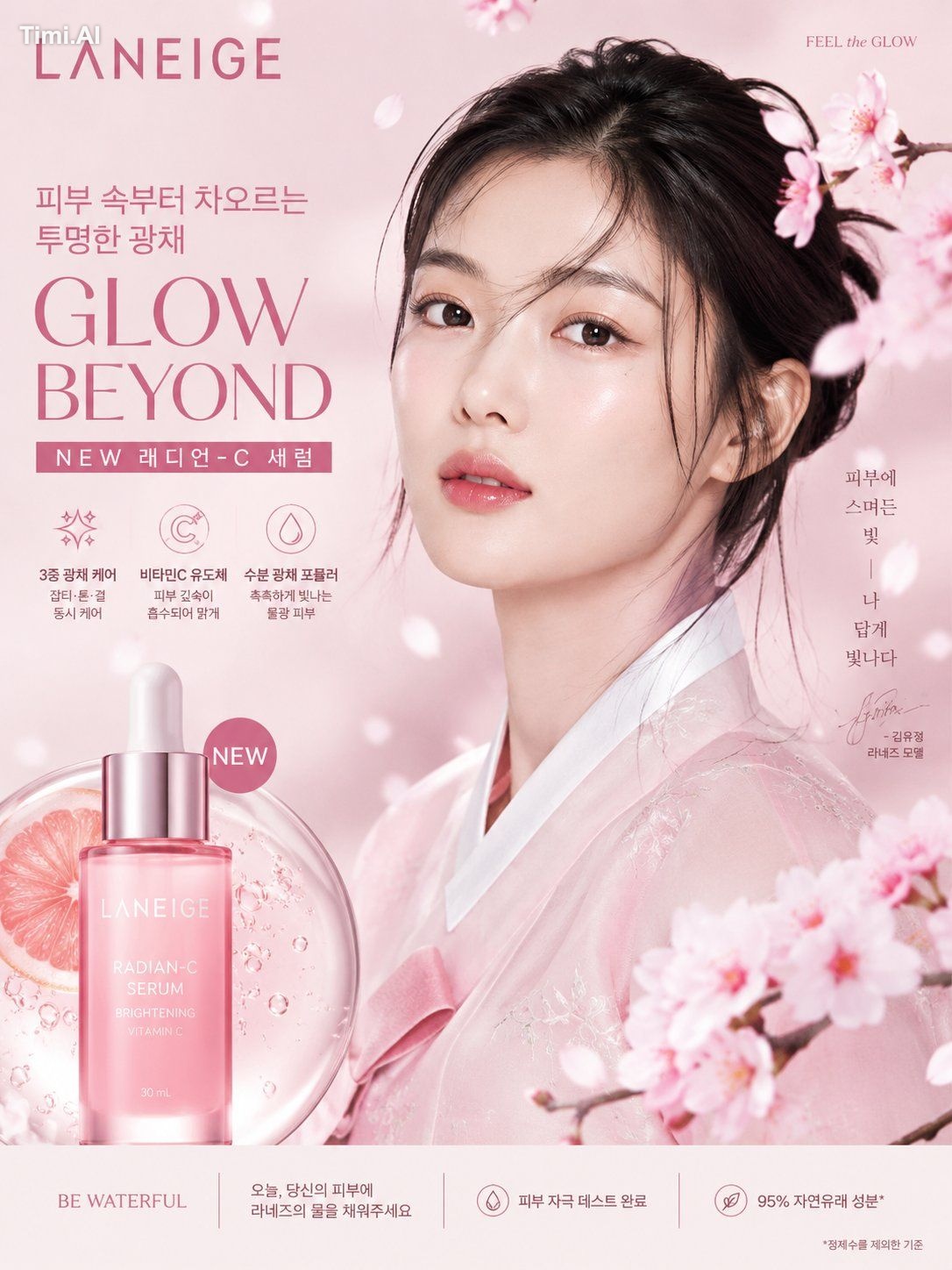
✨ View prompt♥ 56
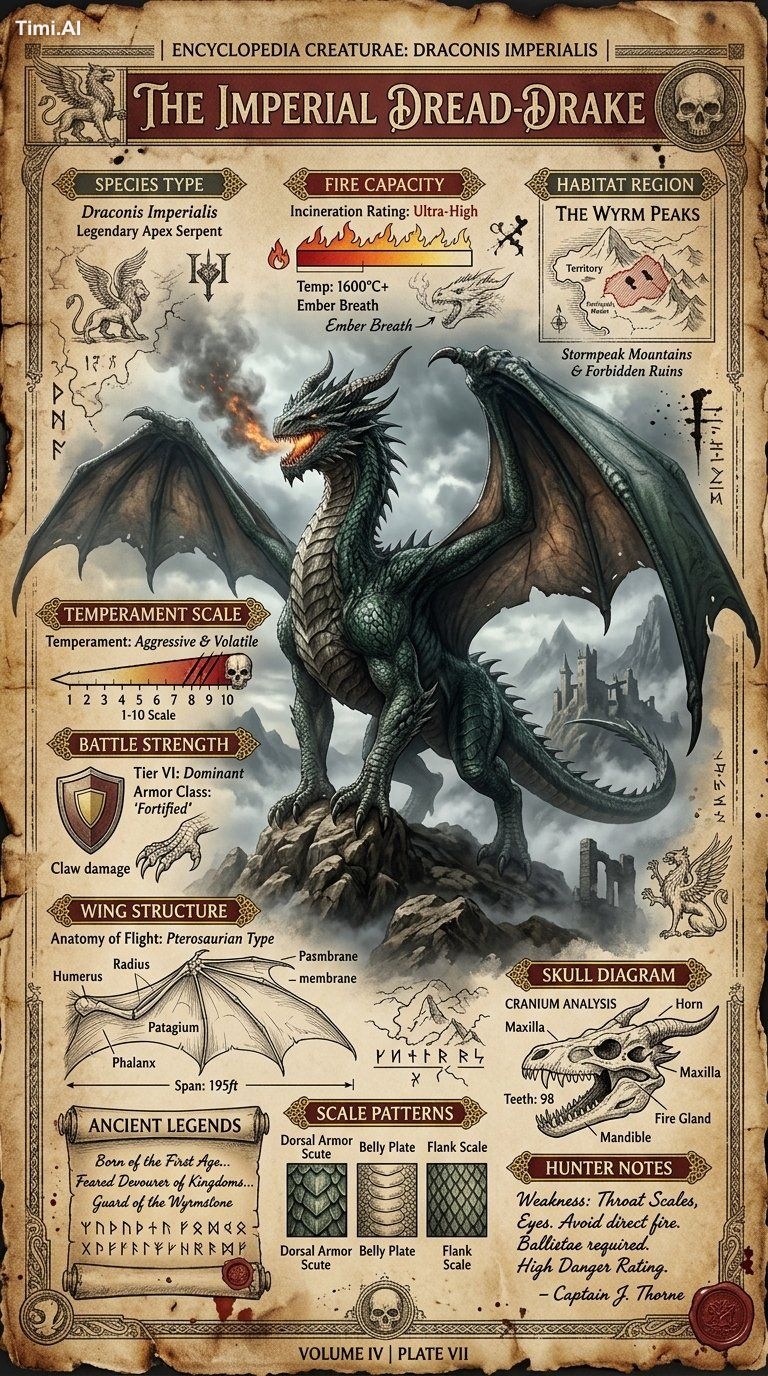
✨ View prompt♥ 179
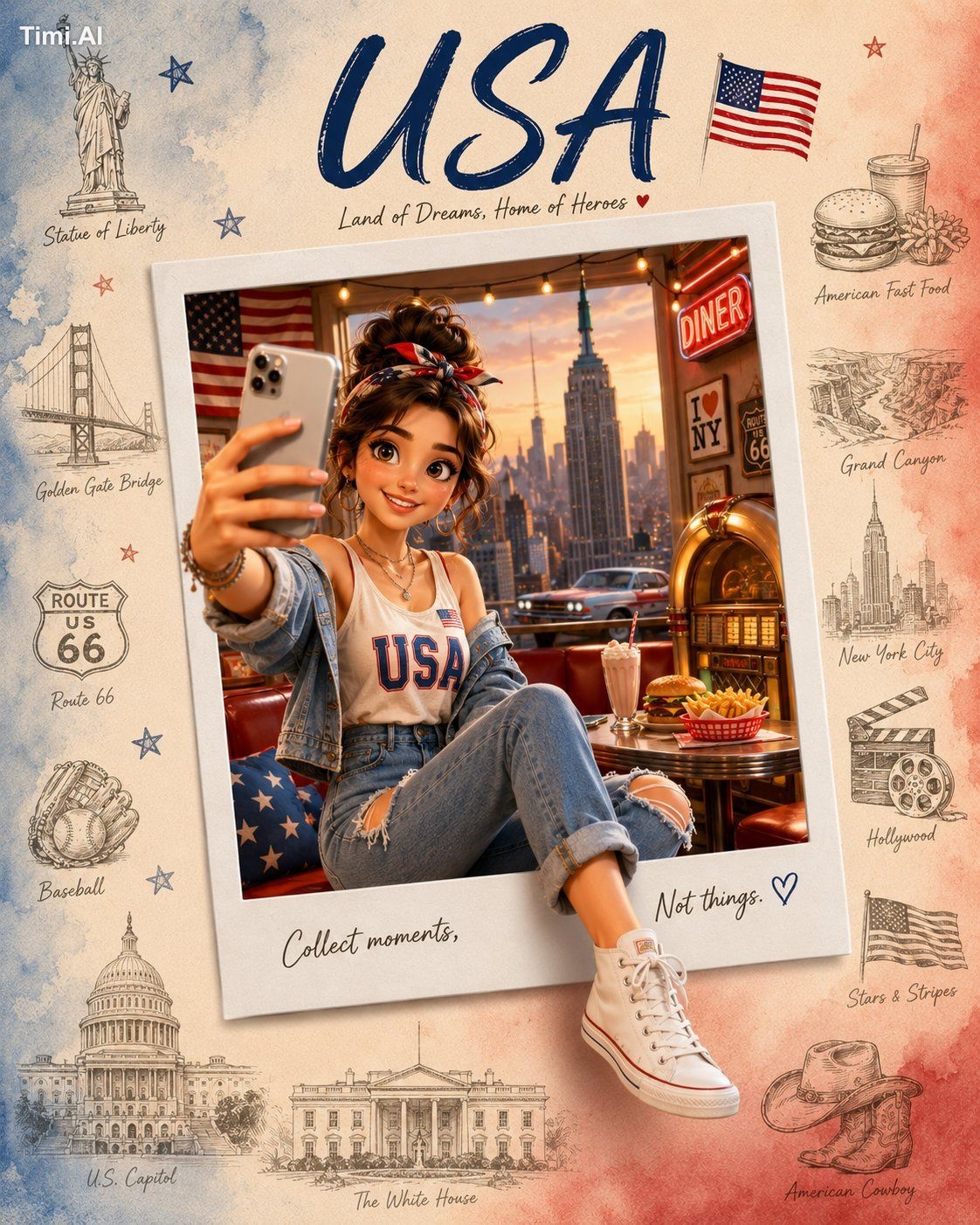
✨ View prompt♥ 63
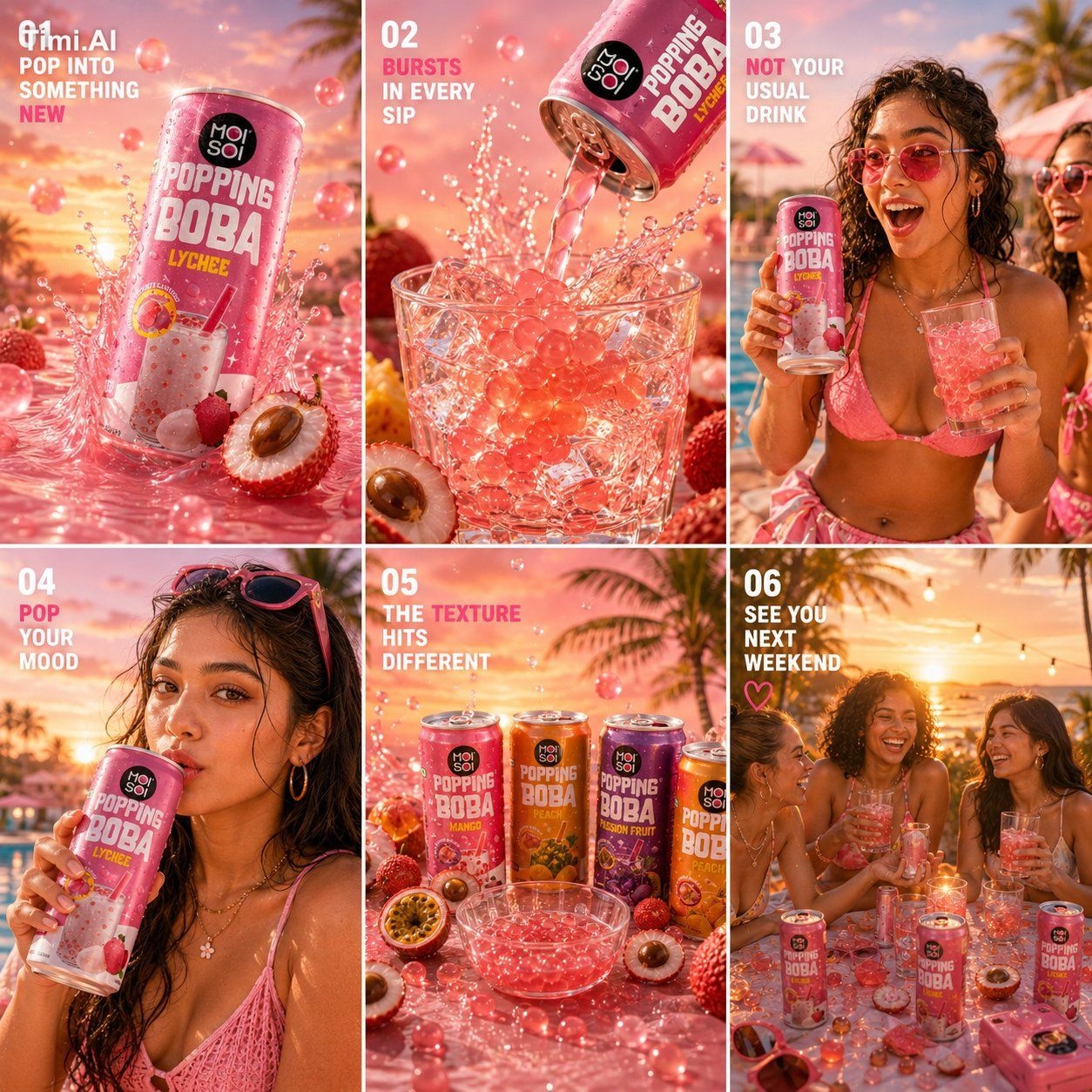
✨ View prompt♥ 84
✨ View prompt♥ 56

✨ View prompt♥ 30
✨ View prompt♥ 38
✨ View prompt♥ 55
✨ View prompt♥ 15