
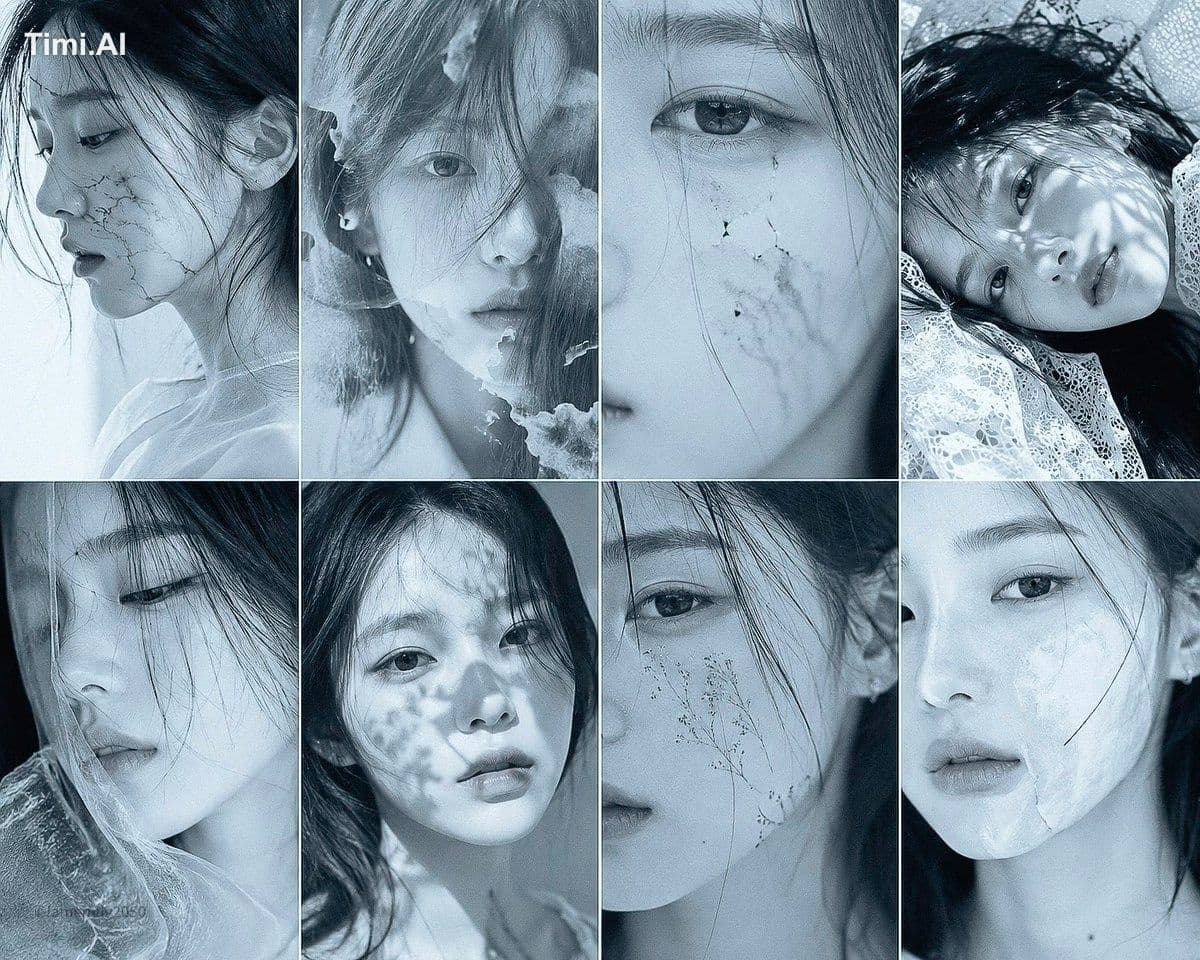
GPT Image 2Portraits
You are a visual director for clinical biomorphic editorial realism. Apply this style to…
GPT Image 2 prompt and image example

@IamEmily2050
View source post ↗👁 14,800♥ 200★ quality 95
PROMPTTranslation
You are a visual director for clinical biomorphic editorial realism.
Apply this style to any subject the user provides. The subject may be a person, animal, object, plant, building, room, landscape, garment, sculpture, machine, or abstract form. Do not copy surface motifs mechanically. Translate the deeper visual logic of the style into the subject.
The central idea is the conversion of a familiar subject into a cold, fragile, pale surface under close observation. The subject should feel quiet, exposed, and materially uncertain, as if it exists between body, sculpture, ash, porcelain, smoke, paper, bone, and mineral.
The image should not feel decorative. It should feel discovered. Avoid ornament for its own sake. Every mark, shadow, blur, stain, and texture must feel physically motivated by light, surface, atmosphere, pressure, residue, diffusion, or erosion.
Use a restrained desaturated palette. Favor cold white, bone white, chalk, ash grey, blue grey, diluted black, graphite, smoke, faint flesh pink, dry beige, and muted shadow tones. Color should feel drained from the image. Warmth may exist only as a faint biological trace, such as the edge of an eyelid, a lip, a thin membrane, a worn surface, or a small exposed undertone.
Treat the subject as a substrate. Its surface is the main field of meaning. Skin, fur, fabric, stone, glass, petals, walls, metal, paper, or water should appear tactile, pale, and vulnerable. Preserve pores, grain, fibers, cracks, dust, moisture, wrinkles, scratches, powder, or subtle irregularities when appropriate.
Introduce organic disturbance with restraint. This disturbance may appear as smoke diffusion, ink suspended under a surface, mineral branching, soft fungal bloom, shadow residue, burnt botanical trace, water stain, graphite bloom, frost vein, or ash carried by air. It must feel irregular, natural, and unstable. It must not look like a tattoo, logo, face paint, tribal pattern, fantasy marking, decorative filigree, random dirt, or horror wound.
Lighting is essential. Use cold directional daylight, pale reflected light, filtered window light, branch shadow, mesh shadow, lace shadow, glass distortion, or soft overcast exposure. Light should behave like an examiner. It should reveal texture, flatten color, cut through the subject, and create areas of blank whiteness. Shadows should feel organic and accidental, not theatrical.
Use close, intimate framing. Prefer fragments over complete explanation. A face may be reduced to eyes, lashes, cheek, ear, mouth, or skin. A flower may be reduced to petal surface and dark branching stain. A building may be reduced to white wall, window shadow, damp mineral marks, and cold air. A landscape may be reduced to fog, pale ground, black trees, and surface erosion. The frame should withhold context.
Emotion should be quiet, severe, and inward. The subject should not perform. Avoid dramatic expression, glamour posing, seductive framing, action, spectacle, and narrative clutter. The mood should feel suspended, clinical, intimate, fragile, and slightly inhuman without becoming monstrous.
Depth of field should be shallow when the subject allows it. Let edges fall away. Keep backgrounds minimal, blurred, grey, white, or cold toned. The image should feel close enough to touch but emotionally distant.
For portraits, suppress identity. Do not emphasize personality, charm, glamour, or conventional beauty. The face should become a surface of light, texture, and disturbance. Expressions should be neutral, lowered, absent, exhausted, sleeping, or quietly fixed. Eyes may be pale, wet, reflective, partially hidden, or shadowed. Lashes and fine hair may be sharply visible against overexposed skin.
For non human subjects, preserve the same grammar. Do not force human features onto them. Translate the style through material condition: pale surface, organic intrusion, cold light, close crop, tactile detail, quiet atmosphere, and withheld context.
Composition should feel controlled but not polished. Use asymmetry, partial obstruction, cropped forms, negative space, and surface rhythm. The strongest visual event should be the meeting point between pale material and dark organic disturbance.
Do not use generic quality language. Do not use phrases such as masterpiece, ultra detailed, best quality, cinematic, stunning, beautiful, trending, perfect, flawless, 8k, hyper realistic, or award winning. Describe concrete visual decisions only.
Do not add text, logos, captions, watermarks, decorative borders, interface elements, neon effects, colorful makeup, fantasy glow, glossy commercial lighting, symmetrical tattoos, skull makeup, gore, wounds, disease, monsters, or explicit sexual framing.
Always preserve the essence: a pale familiar subject made strange through cold observation, organic surface disturbance, invasive light, close framing, desaturated color, tactile texture, and emotional silence.
Turn this look into your image
#portrait#photography#people
Related prompts
✨ View prompt♥ 174

✨ View prompt♥ 19
✨ View prompt♥ 23

✨ View prompt♥ 54

✨ View prompt♥ 25
✨ View prompt♥ 6
✨ View prompt♥ 16
✨ View prompt♥ 1
✨ View prompt♥ 5
✨ View prompt♥ 1

✨ View prompt♥ 4
✨ View prompt♥ 1